Basic PLA+
Your Journey Starts Here, Stand Out
Flawless Color Consistency
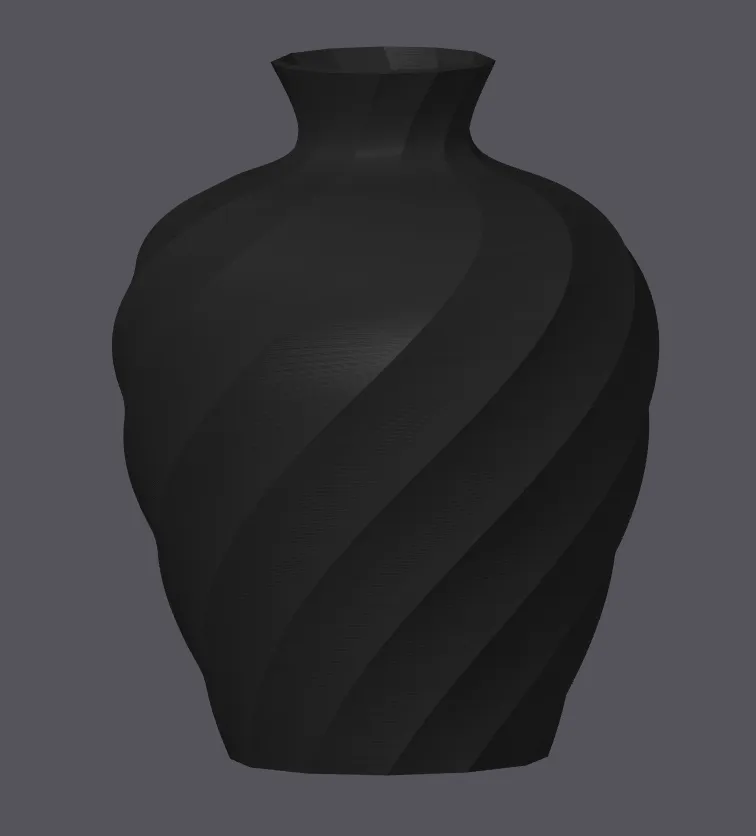
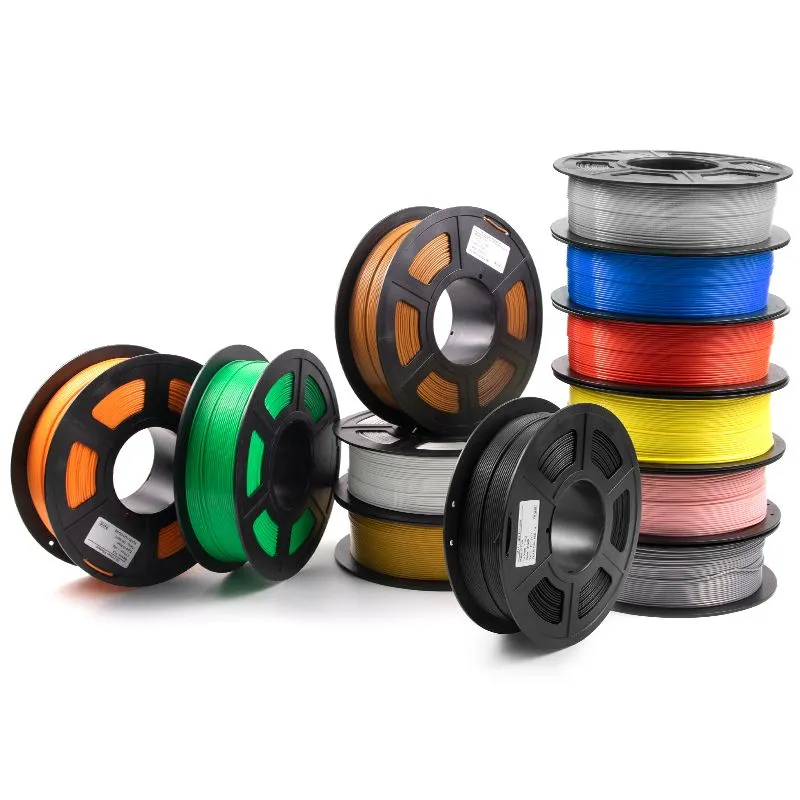
Never worry about color shifting. KAT Basic PLA+ delivers perfectly uniform shading across every single spool, ensuring a stunning, seamless finish from the first layer to the last.
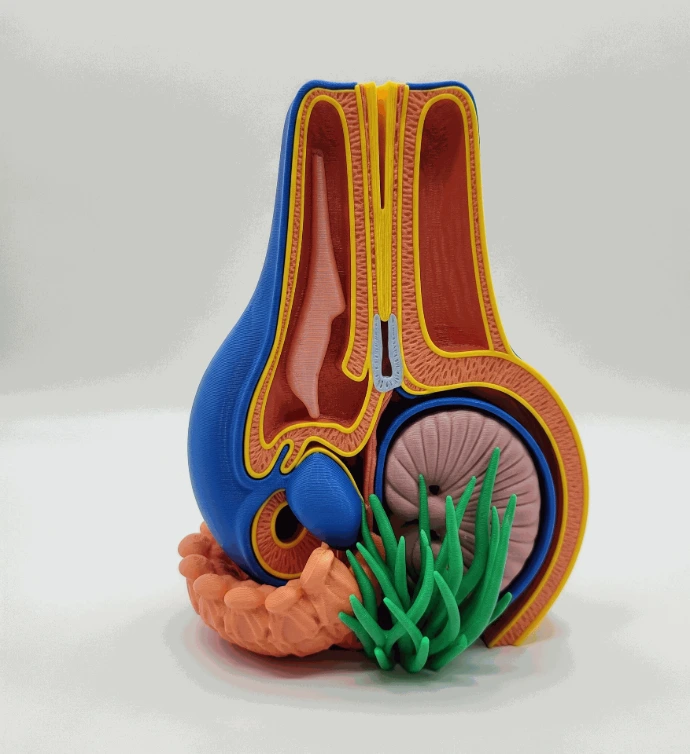
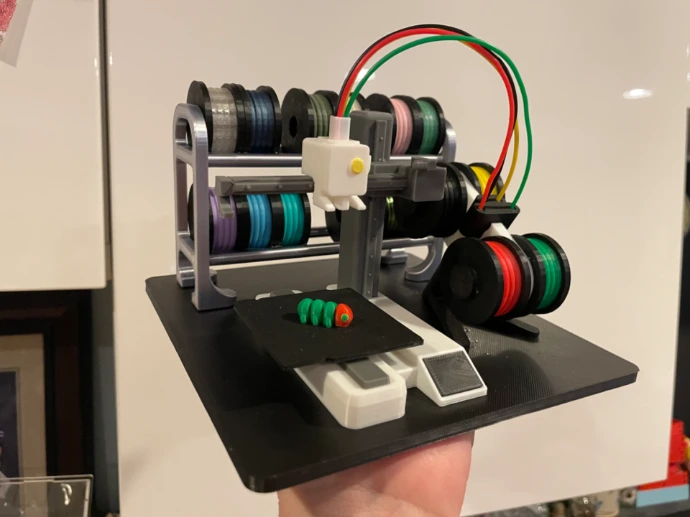
Ready, Set, Print: Worry-Free from Day One
Get smooth, reliable results right out of the box with Bambu PLA Basic—the ultimate beginner-friendly filament. Skip the frustrating setups and tedious calibrations. Whether you’re a hobbyist or a seasoned pro, it’s designed to deliver hassle-free, high-quality prints every single time.
KAT PLA+ vs Standard PLA
Property | KAT Basic PLA+ | Standard PLA |
|---|---|---|
Tensile Strength | ~55 MPa | ~40 MPa |
Impact Resistance | High ↑ | Low ↓ |
Layer Adhesion | Excellent | Good |
Printability | ✓ Easy | ✓ Easy |
Post-Processing | ✓ Sand, paint, glue | ✓ Sand, paint, glue |
Print Settings
| Parameter | Recommended | Range | Notes |
|---|---|---|---|
| Nozzle Temperature | 215°C | 200 – 230°C | Higher temp for better layer adhesion on functional parts |
| Bed Temperature | 55°C | 25 – 65°C | Unheated bed works with adhesive; heated bed preferred |
| Print Speed | 80-200 mm/s | 40 – 250 mm/s | High-speed capable on Bambu/CoreXY; reduce for open-frame printers |
| Layer Height | 0.2 mm | 0.05 – 0.35 mm | 0.1mm for detail; 0.3mm for structural parts |
| Cooling Fan | 80% | 60 – 100% | Reduce slightly for bridging-heavy models |
| Retraction | 1mm (direct) / 5mm (Bowden) | 0.5 – 7 mm | Calibrate for your specific setup to minimise stringing |
| Enclosure | Not required | Optional | Open-frame printing reliable up to 0.4mm nozzle at moderate speed |
| Drying | 50°C · 4–6 hrs | 45 – 55°C | Dry if storing opened spool for more than 1 week in humid conditions |
Tips for Best Results
First Layer is Everything
Run a bed levelling routine before every new spool. A correctly calibrated first layer eliminates 80% of print failures. On PLA+, a slight squish improves adhesion without over-compression.
Store Sealed After Opening
Humidity — especially during monsoon — will degrade open PLA+ within 48 hours. Store in a sealed bag with silica desiccant. Crackling during printing = wet filament. Dry at 50°C for 4–6 hours.
Calibrate Flow on New Spools
Even within the same brand, batch variation exists. Run a quick flow calibration cube on the first 50g of each new spool. 10 minutes of calibration prevents failed production prints.
Higher Temp = Better Layer Adhesion
For functional parts that need to withstand load, print at 220–225°C instead of the standard 210°C. The surface finish is marginally different but inter-layer strength improves significantly.
Post-Processing Friendly
PLA+ sands cleanly, accepts acrylic primer, and bonds well with cyanoacrylate (CA) glue and epoxy. For painted models, 3–4 light coats of filler primer before painting gives the best result.
Not for High-Heat Applications
PLA+ heat deflection is ~62°C. Do not use for parts exposed to direct sunlight in summer conditions, car interiors, or any application where temperature exceeds 50°C. Use ASA or ABS instead.
Downloads & Documentation
Coming soon...
Frequently asked questions
Here are some common questions about our Basic PLA.
KAT PLA+ uses an enhanced formulation compared to standard PLA. The key improvements are higher impact resistance, better layer-to-layer adhesion, and improved toughness — meaning printed parts flex slightly before breaking rather than snapping brittle. For display models and non-functional parts, standard PLA is fine. For parts that will be handled, assembled, or subjected to any load, PLA+ is the better choice at minimal extra cost.
Yes. Every colour in our KAT PLA+ range is measured and published with its hex code. We measure each batch using a calibrated colour sensor so the hex code reflects the actual printed output — not just the raw filament colour, which can differ slightly after extrusion. You'll find the hex code displayed on the colour swatch selector on this page and on the spool label.
Custom colour matching is available for orders of 100kg or more in a single colour. Contact us at [email protected] with your Pantone or RAL reference and we'll provide a sample and quote. Lead time for custom colours is typically 2–3 weeks from confirmation.
Yes — GST invoice is issued for all orders where you provide a valid GSTIN at checkout. Please add your GSTIN before placing the order; invoices cannot be restructured after a transaction is completed. For B2B buyers, please contact us for institutional purchase order processing.
Yes. KAT PLA+ is compatible with Bambu Lab's AMS and AMS Lite systems. The consistent diameter (1.75mm ± 0.03mm) ensures reliable feeding through AMS without jams. Use the standard Bambu PLA profile as a starting point and adjust nozzle temperature to 215°C for optimal results.